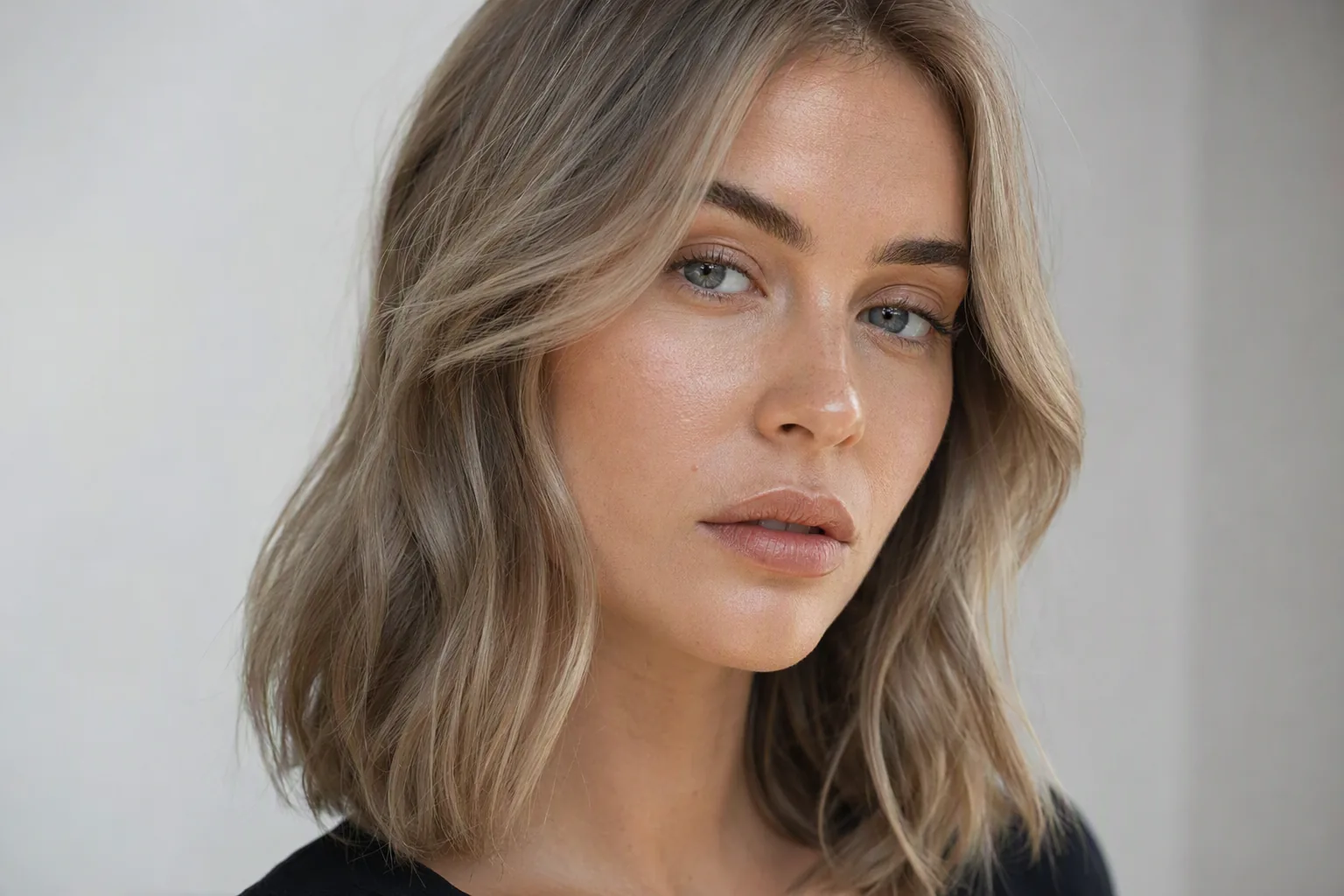
The blonde-versus-brunette debate is as old as hair dye itself. Both colors have passionate advocates, and both can look absolutely stunning on the right person. But "the right person" is the key phrase - a shade that makes one woman look radiant can wash out another completely. The difference comes down to a few specific factors that are easy to evaluate once you know what to look for.
Skin Tone: The Most Important Factor
Your skin's undertone is the single biggest determinant of whether blonde or brunette will look more natural and flattering on you. There are three undertone categories:
- Warm undertones (golden, peachy, yellow): These pair beautifully with golden blondes, honey hues, caramel brunettes, and warm chestnuts. The warmth in the hair echoes the warmth in the skin, creating harmony.
- Cool undertones (pink, red, blue): Ash blondes, platinum, icy highlights, espresso browns, and cool chocolate shades complement cool skin. Warm gold tones can clash and make cool-toned skin look sallow.
- Neutral undertones (a mix of warm and cool): You have the most flexibility. Both warm and cool shades of blonde and brunette will look good - neutral undertones are the most forgiving.
How to determine your undertone
Check the veins on the inside of your wrist in natural light. Blue or purple veins suggest cool undertones. Green veins suggest warm. A mix of both indicates neutral. You can also consider what jewelry looks better on you - gold flatters warm tones, silver flatters cool tones.
Eye Color Considerations
Eye color plays a supporting role in the blonde-vs-brunette equation:
- Blue eyes: Both blonde and brunette work. Blonde creates a classic, ethereal look. Dark brunette creates striking contrast that makes blue eyes pop dramatically.
- Green eyes: Warm blondes and auburn-toned brunettes bring out green beautifully. Copper and strawberry tones are especially effective.
- Brown eyes: Rich brunette shades create a cohesive, sultry look. Lighter blondes provide contrast that brightens brown eyes and draws attention to them.
- Hazel eyes: Hazel eyes contain both warm and cool tones, so they work with either color family. Caramel blondes and warm brunettes tend to bring out the golden flecks.
The Case for Going Blonde
Blonde hair is a statement. It brightens the face, creates an immediate impression, and tends to attract attention. Here are the practical pros and cons:
Pros
- Brightens the complexion and can make you look more youthful.
- Offers enormous range - from subtle honey to dramatic platinum.
- Blonde highlights alone can add dimension without a full color change.
- Tends to photograph well and catches light beautifully.
Cons
- High maintenance - root touch-ups every 4–6 weeks, toner every 6–8 weeks.
- Bleaching can damage hair, especially when going very light from a dark base.
- Brassiness is a constant battle, requiring purple shampoo and toning treatments.
- Costs significantly more than brunette at the salon - initial lightening sessions can run $200–$400+.
The Case for Staying (or Going) Brunette
Brunette hair is versatile, low-maintenance, and endlessly elegant. It ranges from light caramel to near-black espresso, offering just as much variety as blonde when you explore the spectrum.
Pros
- Low maintenance - especially if you stay within two shades of your natural color.
- Hair stays healthier because little to no bleaching is required.
- Rich brunette shades add depth and dimension that can look luxurious without any salon techniques.
- More affordable to maintain over time.
Cons
- Dark colors can sometimes look flat without highlights or dimensional color.
- Going darker is easier than going lighter, but returning to blonde later requires significant processing.
- Very dark shades can wash out very fair skin tones if the undertone is not matched carefully.
The Compromise: Highlights and Balayage
If you cannot choose between blonde and brunette, you do not have to. Highlights and balayage blend both colors seamlessly, giving you the brightness of blonde with the depth of brunette. This approach is also lower maintenance than full blonde - the painted-on technique grows out naturally, and touch-ups are needed only every 8 to 12 weeks.
Balayage is especially popular because the result looks sun-kissed and effortless. The darker roots mean no harsh regrowth line, and the lighter ends brighten the face. It is the best of both worlds for anyone who is hesitant to commit fully to either side.
Test It Before You Commit
The smartest approach to the blonde-vs-brunette question is not to guess - it is to see both on your own face with a hair color test. Visio's AI hair color preview lets you upload a selfie and instantly try every shade of blonde, brunette, and everything in between. Compare honey blonde to ash blonde to caramel brunette to espresso side by side in seconds. Bring the winner to your colorist as a visual reference that eliminates miscommunication.
See Blonde and Brunette on Your Face
Download Visio and try any hair color on your selfie - start your free trial today.


Frequently Asked Questions
Should I go blonde or stay brunette?
Start with your undertone: warm skin lifts with golden blondes and caramel brunettes, cool skin with ash blondes and espresso browns. Then weigh upkeep. Blonde needs root touch-ups roughly every 4 to 6 weeks plus toner between visits, while brunette can often stretch to 8 to 12 weeks and needs only a gloss. If you are naturally dark and want light blonde, expect more than one session. Seeing both on your own photo first is the cheapest way to settle it.
How do I know if blonde will suit my skin tone?
Look at the veins on the inside of your wrist. If they appear blue or purple, you likely have cool undertones and suit ash blondes, platinum, and champagne shades. If they appear green, you have warm undertones and look better in honey, golden, and caramel blondes. If you see a mix, you have neutral undertones and can wear most blonde shades. AI preview tools like Visio can show you the exact result on your face before committing.
Is blonde or brunette more high-maintenance?
Blonde is significantly more high-maintenance, especially if your natural color is dark. Blonde requires regular root touch-ups every 4 to 6 weeks, toning treatments to prevent brassiness, and more intensive conditioning to counteract bleach damage. Brunette hair - particularly shades close to your natural color - requires far less upkeep and stays vibrant longer between salon visits.
Can I preview blonde vs brunette on my face before dyeing?
Yes. AI hair color apps like Visio let you upload a selfie and instantly see how different blonde and brunette shades look on your actual face and skin tone. You can compare honey blonde vs ash blonde vs chocolate brown vs caramel brunette side by side in seconds, risk-free.