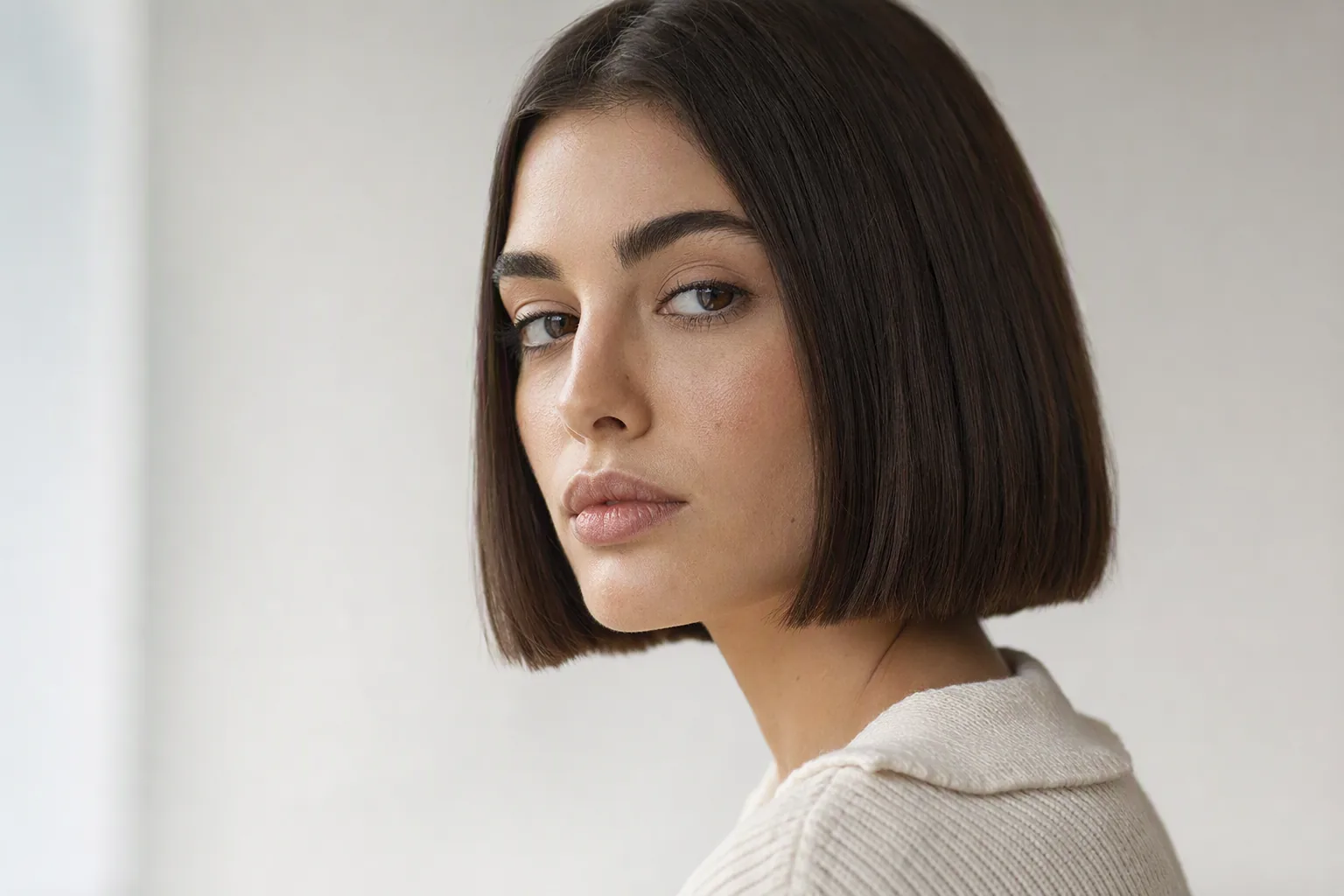
Few haircuts have the staying power of the bob. It first rose to fame in the 1920s as a symbol of rebellion, and a century later it remains one of the most requested cuts in salons worldwide. The reason is simple: the bob adapts. It can be sleek and corporate, messy and bohemian, edgy and asymmetrical, or soft and romantic - all within the same basic framework of hair cut somewhere between the ears and the collarbone.
But "I want a bob" is not nearly specific enough for a stylist. There are at least seven distinct bob haircut types, and the differences between them matter more than you might think. An inverted bob on thick, straight hair creates an entirely different look than a textured lob on fine waves. This guide covers every major variation, explains which hair types and face shapes each one suits best, and helps you narrow your choice before you sit in the chair.
The Classic Bob
The classic bob is one length, typically hitting between the jawline and the chin, with minimal to no layering. It is clean, sharp, and timeless. Think of it as the foundation from which all other bob types evolved.
This cut works exceptionally well on straight to slightly wavy hair because the blunt line shows best when the hair lies flat. For women with thin hair, the classic bob is a top recommendation - the single-length cut makes hair appear thicker and fuller than layered alternatives. On round or oval faces, a chin-length classic bob provides structure and definition.
Styling tips
- Blow-dry with a round brush, curving the ends slightly under for a polished finish.
- Use a flat iron for a glass-smooth, editorial look.
- Apply a lightweight serum to eliminate frizz and add shine - the cleaner the line, the more important the finish.
The A-Line Bob
An A-line bob is shorter in the back and gradually longer in the front, creating a diagonal line from the nape to the jawline. The angle can be subtle - just an inch of difference - or dramatic, with front pieces reaching past the collarbone while the back sits at the nape.
This shape is universally flattering because it frames the face and draws the eye forward. It is particularly effective for square and heart-shaped faces since the longer front pieces soften strong jawlines and balance wider foreheads. The A-line also suits thick hair well because the graduation removes bulk from the back without sacrificing length where it matters.
The Inverted Bob
Often confused with the A-line, the inverted bob takes the concept further by adding stacked, graduated layers at the back. This creates significant volume and lift at the crown while the front pieces angle down. The back of the head looks rounded and full, even on fine hair.
The inverted bob is ideal if you want a dramatic shape with built-in volume. It suits straight and wavy textures best, as very curly hair can become difficult to manage in the tightly stacked back section. Maintenance is higher than a classic bob - expect salon visits every four to five weeks to keep the graduation crisp.
Inverted bob vs A-line: the key difference
The A-line relies on a simple angle from back to front. The inverted bob adds stacked layers in the back for volume. If you want sleek and subtle, go A-line. If you want volume and shape, go inverted.
The Stacked Bob
A stacked bob features layers that are cut progressively shorter toward the back of the head, creating a rounded, "stacked" silhouette. It is similar to the inverted bob but often shorter overall and with more emphasis on back-of-head volume.
This is one of the best bob haircut types for thin hair. The layering technique builds volume exactly where fine hair tends to fall flat - at the crown and nape. It also works well for women with straight hair who want body without relying on hot tools every morning.
The Asymmetrical Bob
An asymmetrical bob is intentionally uneven, with one side noticeably longer than the other. The difference can be as slight as half an inch or as bold as several inches. It is an edgy, fashion-forward choice that instantly communicates confidence.
Asymmetrical bobs work on every hair type, but they require a skilled stylist to get the proportions right. They are particularly effective on oval and oblong faces because the uneven line creates visual interest and breaks up symmetry in a flattering way. Maintenance is moderate - the asymmetry grows out relatively gracefully, though you will eventually lose the contrast without a trim.
The Micro Bob
The micro bob sits above the jawline, sometimes as high as ear level. It is bold, minimal, and undeniably chic. The micro bob gained significant momentum in recent seasons as the fashion world embraced shorter, more architectural cuts.
This cut looks striking on oval and heart-shaped faces, where the exposed jawline and neck create elegant lines. It is less forgiving on round faces unless combined with volume on top or textured styling. Hair texture matters here: straight and slightly wavy hair showcases the micro bob's sharp geometry, while very curly hair can look charming but requires careful shaping to avoid a mushroom effect.
Is a micro bob high maintenance?
Yes. Because the cut is so short and precise, it grows out noticeably within three to four weeks. Budget for more frequent trims if you want to maintain the look long-term.
The Lob (Long Bob)
The lob - short for long bob - falls between the chin and the collarbone. It offers the structure of a bob with the versatility of longer hair. You can still pull it into a ponytail, braid it, or curl it, while enjoying the lighter, more modern feel of a shorter cut.
The lob is the most forgiving bob variation. It suits virtually every face shape and hair type. It is the ideal entry point if you are considering going shorter but are not ready for a dramatic chop. For women with wavy hair, the lob is especially flattering - the natural texture adds movement and body without any effort.
Lob styling versatility
- Straightened for a sleek, professional look.
- Beach-waved with a curling wand for effortless texture.
- Air-dried with a texturizing spray for a casual, lived-in feel.
- Half-up, half-down for a quick everyday style that keeps hair off the face.
Choosing a Bob for Your Hair Type
The best bob haircut depends as much on your hair's natural texture and thickness as it does on your face shape. Here is a quick reference:
Bob haircut for thin hair
Stick to blunt, one-length cuts like the classic bob, or go for a stacked bob to build volume at the back. Avoid excessive layering or texturizing, which can make fine hair look sparse. A jaw-length cut is the sweet spot - short enough to look full, long enough to style easily.
Bob for thick hair
Thick hair benefits from bobs with internal layering that removes weight without losing shape. A-line bobs, inverted bobs, and textured lobs all work beautifully. Without some weight removal, thick hair in a blunt bob can look boxy and feel heavy.
Bob for curly hair
Curly bobs should always be cut dry by a stylist who understands curl patterns. A slightly longer length compensates for curl shrinkage. Lobs and classic bobs with light layers distribute volume evenly and prevent the dreaded triangle shape.
Bob for straight hair
Straight hair is the most versatile canvas for bobs. Every variation - from the sharp geometry of a micro bob to the relaxed elegance of a lob - works on straight strands. The key is choosing based on your face shape and desired maintenance level.
Face Shape Considerations
While every bob can be adapted, certain variations naturally complement specific face shapes. Not sure which one you have? Measure your face shape from a single photo, then check the list:
- Oval: Any bob works. Experiment freely.
- Round: A-line bobs and lobs with length below the jaw elongate the face. Avoid chin-length blunt bobs that mirror the face's roundness.
- Square: Textured, wavy bobs soften angular features. Lobs with soft layers around the jaw are ideal.
- Heart: Chin-length bobs that add width at the jaw balance a wider forehead. A classic bob with slight outward flick at the ends is perfect.
- Oblong: Bobs with volume at the sides - stacked bobs, curly bobs, or wavy lobs - add width that offsets the face's length.
Maintenance and Upkeep
Bobs are generally considered medium-maintenance. Here is what to expect:
- Trim frequency: Every 4–6 weeks for most bobs. Micro bobs and stacked bobs need trims every 3–4 weeks.
- Daily styling: Classic bobs may need a quick blow-dry or flat iron. Lobs and textured bobs often look great air-dried.
- Products: A good heat protectant, a lightweight serum for shine, and a texturizing spray cover most bob styling needs.
Preview Your Bob Before Cutting
With so many bob haircut types to choose from, it helps to see the options on your own face before committing. Visio's AI hairstyle try-on lets you upload a selfie and instantly preview a classic bob, lob, micro bob, and dozens of other styles. You can compare variations side by side, test different lengths, and walk into your appointment with confidence instead of uncertainty.
Find Your Perfect Bob
Download Visio and try every bob style on your selfie - start your free trial today.


Frequently Asked Questions
What is the difference between an inverted bob and an A-line bob?
An inverted bob is shorter and stacked at the back with dramatic graduation toward longer front pieces. An A-line bob has a more subtle angle - it's simply shorter in the back and gradually longer toward the front without the stacked layering. The inverted bob creates more volume at the crown, while the A-line offers a sleeker silhouette.
Which bob haircut is best for thin hair?
A blunt classic bob or a stacked bob works best for thin hair. Blunt ends create the illusion of thickness because the hair sits at one length with no thinning from layers. A stacked bob adds volume at the back through graduated layering. Avoid heavy texturizing or razor-cut bobs, which can make thin hair look wispy.
How often do I need to trim a bob haircut?
Most bob haircuts need a trim every 4 to 6 weeks to maintain their shape. Shorter, more precise bobs like micro bobs and stacked bobs grow out faster and may need touch-ups every 3 to 4 weeks. Longer bobs like lobs are more forgiving and can stretch to 6 to 8 weeks between cuts.
Can curly hair pull off a bob?
Absolutely. Curly bobs are striking and full of personality. The key is cutting the bob dry so the stylist can see the curl pattern's true length and shape. A slightly longer cut is recommended since curls spring up shorter than straight hair. Layers help distribute volume evenly and prevent a triangular shape.
Can I preview a bob haircut before committing?
Yes. AI hairstyle apps like Visio let you upload a selfie and instantly see how different bob styles - classic, A-line, lob, micro bob, and more - look on your actual face. It's the easiest way to compare options before visiting a salon.