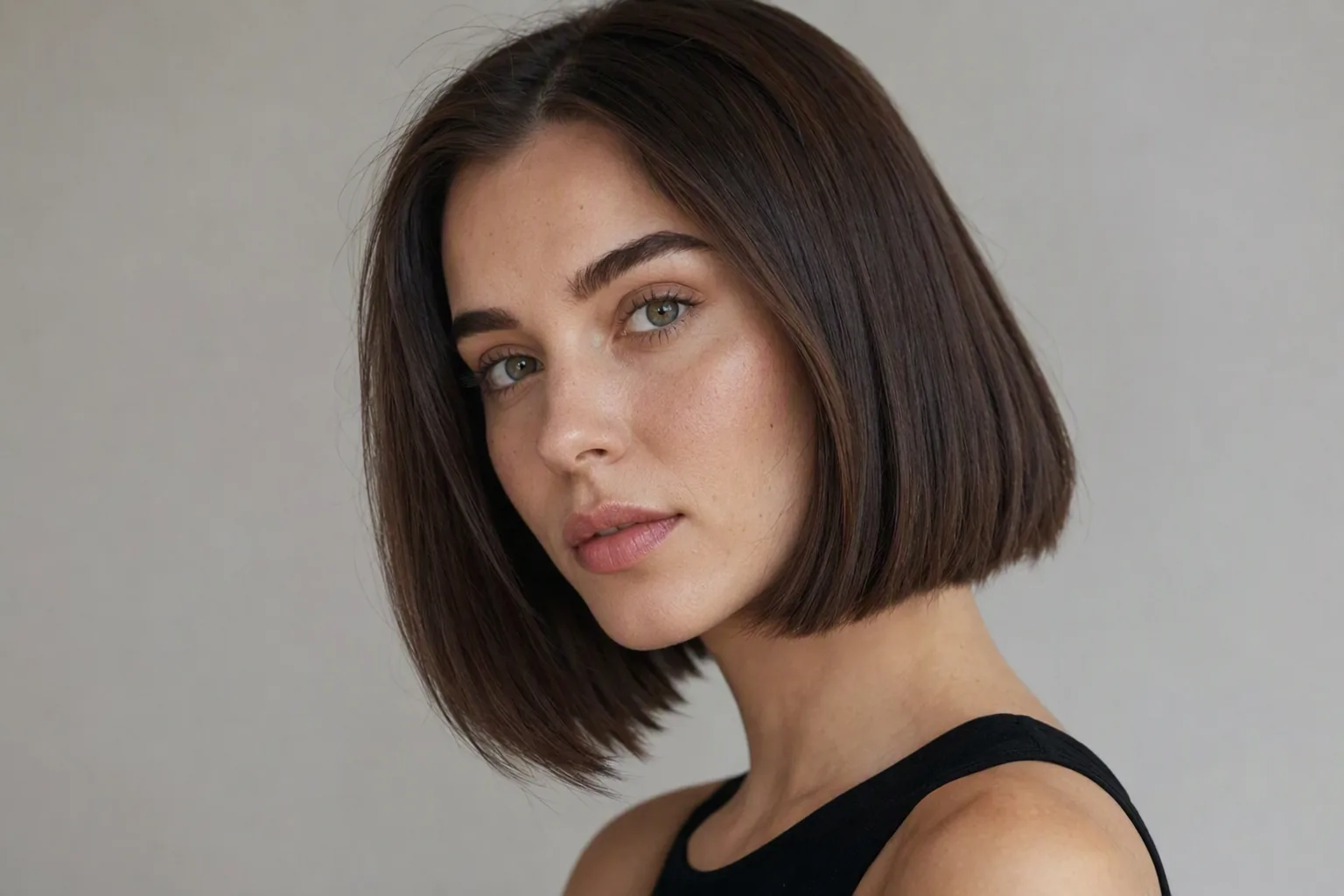
Every woman has considered it at least once - scrolling through photos of stunning pixie cuts and sleek bobs, imagining the freedom of shedding all that length. Then the doubt kicks in. What if it does not suit me? What if I regret it? What if growing it back takes forever?
These are valid concerns, and this guide addresses each one honestly. Short hair is not for everyone, and neither is long hair. The goal is not to convince you in either direction - it is to give you the information you need to make the right call for your face, your hair, and your life.
Lifestyle and Practicality
The biggest day-to-day difference between short and long hair is not aesthetics - it is time. Consider your daily routine and how much of it you want devoted to hair:
Short hair advantages
- Faster daily routine: Washing, drying, and styling short hair takes a fraction of the time. Many short cuts look great air-dried or with a two-minute blow-dry.
- Less product usage: You use less shampoo, conditioner, and styling product - which saves money over time.
- Cooler in warm climates: Less hair means less heat trapped around your neck and shoulders.
- Active lifestyles: Short hair stays out of your face during exercise, travel, and outdoor activities without the need for ties and pins.
Long hair advantages
- Styling versatility: Long hair can be braided, bunned, ponytailed, curled, straightened, half-up, or worn down. Short hair has fewer updo options.
- Easy "default" look: Long hair worn down or in a simple ponytail is an effortless fallback that always looks put together.
- Less frequent salon visits: Long hair can go 8–12 weeks between trims without looking unkempt. Short styles need shaping every 4–6 weeks.
- More gradual changes: With long hair, you can experiment incrementally - adding layers, trying bangs, or coloring sections - without a dramatic overall change.
Face Shape Considerations
Your face shape determines which short styles will look most flattering, so if you are still asking what hairstyle suits you, pin down your shape first. Here is a practical breakdown:
- Oval: Almost every short style works - pixie cuts, bobs, micro bobs, and lobs all complement oval proportions.
- Round: Choose short styles that add height and vertical lines. A pixie with volume on top or a lob that falls below the jawline both work. Avoid blunt, chin-length bobs that mirror the face's roundness.
- Square: Textured, layered short cuts soften angular jawlines. A wavy bob or a tousled lob breaks up strong lines effectively.
- Heart: Chin-length bobs that add width at the jawline balance a wider forehead. Pixie cuts work if there is enough volume and texture at the temples.
- Oblong: Short cuts with side volume - wavy bobs, textured micro bobs - add width that counteracts a long face. Avoid very short crops that expose the full face length.
Hair Texture Impact
Your natural texture matters as much as your face shape when choosing between short and long:
- Fine, straight hair: Short bobs and blunt cuts make fine hair appear thicker. Very long fine hair can look limp and thin. Short is often the more flattering option.
- Thick, straight hair: Works beautifully at any length. Short cuts benefit from internal layering to manage bulk.
- Wavy hair: Waves thrive at medium lengths - lobs and textured bobs showcase the natural pattern without fighting it.
- Curly hair: Curls add volume, so short cuts appear fuller than they would on straight hair. Factor in curl shrinkage - curly hair springs up two to three inches shorter than its stretched length.
- Coily hair: Short natural styles can be incredibly striking and easier to maintain. Long coily hair requires more protective styling and moisture management.
The Maintenance Reality
There is a common misconception that short hair is always less maintenance than long hair. The truth is more nuanced:
- Short hair daily styling: Faster (2–5 minutes). But short cuts need shaping at the salon every 4–6 weeks to maintain their structure.
- Long hair daily styling: Slower (5–15 minutes for wash and style). But long hair only needs trims every 8–12 weeks, and can get away with "lazy day" ponytails.
- Products: Short hair uses less product per application but may need daily styling product. Long hair uses more product but can go days between washes with dry shampoo.
The Emotional Side of the Big Chop
Hair is deeply tied to identity. Cutting it short can feel like a reinvention - empowering, freeing, and confident. But it can also trigger unexpected vulnerability. Many women report a brief adjustment period after a dramatic cut, even when they love the result. This is completely normal.
If you are cutting your hair for the right reasons - because you want to, not because you feel you should - the adjustment is almost always brief and positive. If the motivation is purely impulsive (a bad day, a breakup, a moment of frustration), consider waiting a week and seeing if the urge persists. Major haircuts made from a place of excitement tend to age better than those made from a place of emotion.
Try Short Hair Virtually First
The single best thing you can do before committing to the big chop is see it on your own face. Not on a celebrity, not on a Pinterest model - on you. Visio's AI hairstyle try-on lets you upload a selfie and preview a pixie cut, bob, lob, long layers, or micro bob on your actual face in seconds. Compare short and long side by side. Show the results to friends or your stylist. Walk into the salon knowing, not hoping.
Preview the Big Chop Risk-Free
Download Visio and try short hairstyles on your selfie - start your free trial today.


Frequently Asked Questions
Will short hair make my face look rounder?
It depends on the cut. Chin-length bobs and blunt cuts that hit at the widest part of a round face can emphasize roundness. However, pixie cuts with height on top, lobs that fall below the jaw, and textured short styles with volume at the crown actually elongate round faces. The key is choosing a short cut that adds vertical lines rather than horizontal ones.
How long does it take to grow short hair back to long?
Hair grows about half an inch per month on average. Going from a pixie cut to shoulder length takes roughly 18 to 24 months. Going from a bob to bra-strap length takes about 12 to 18 months. The grow-out process can be managed with transitional cuts - a pixie grows into a micro bob, then a bob, then a lob - so you always look intentional rather than unkempt.
Can I preview short hair on my face before cutting?
Yes. AI hairstyle apps like Visio let you upload a selfie and instantly see how pixie cuts, bobs, lobs, micro bobs, and other short styles look on your actual face. It's the best way to test the big chop without the commitment - and without relying on your imagination alone.